
# Why Is My Dog Shedding So Much? The Real Causes Behind All That Fur
Author: PurePalsLab Research Team
Reviewed by: Veterinary advisory panel
Reading time: 9 minutes
—
Every dog owner knows the fur. It collects on your couch, your clothes, the floor in corners you swear you just vacuumed. Some shedding is so normal it is almost a fact of having a dog, but there is a line between normal shedding and shedding that is telling you something is off. The hard part is knowing where that line is, because a German Shepherd sheds in January exactly the same way some owners fear a skin problem, and a poodle barely sheds at all.
This guide is built to help you read your dog’s shedding. How the fur growth cycle actually works, why dogs blow their coat seasonally, the difference between normal and excessive shedding, the underlying causes when shedding spikes, and what you can actually do about it at home. By the end you will know when to relax, when to change your grooming or feeding routine, and when the shedding is a clue you should take to a vet.
—
The Short Answer
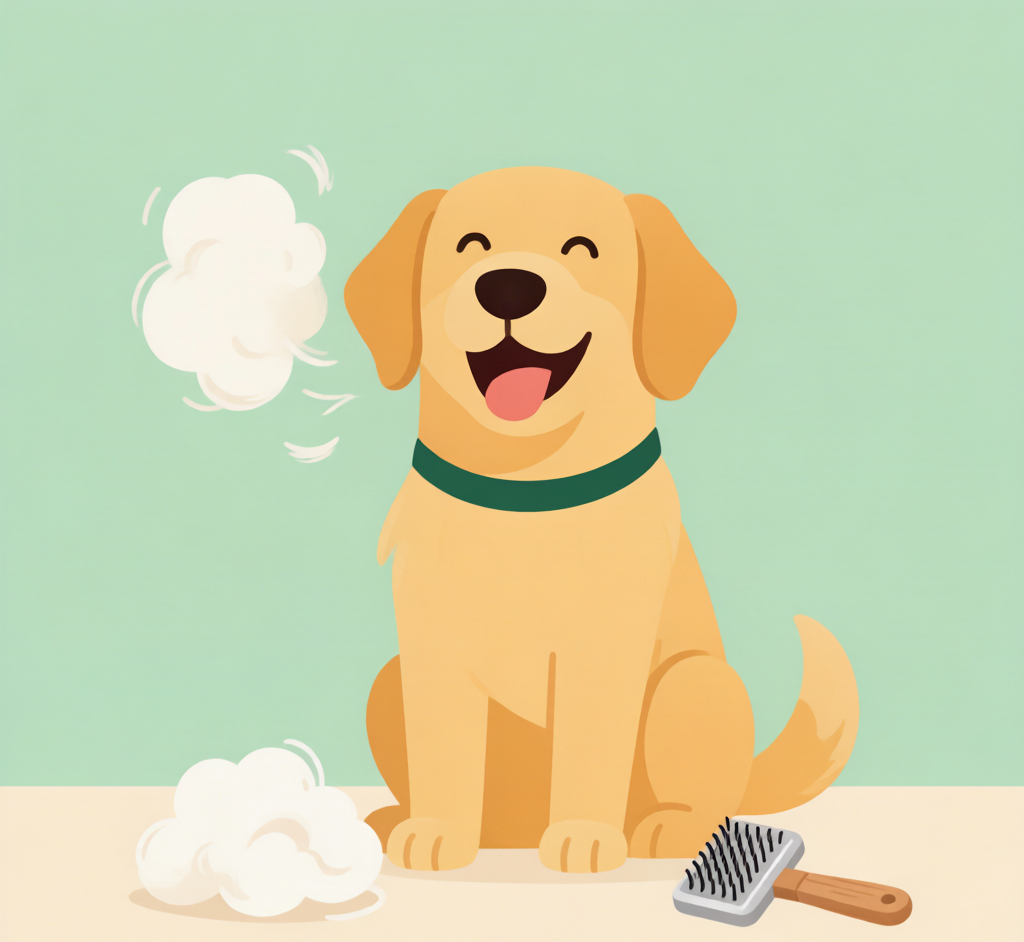
Shedding is how a dog naturally renews its coat, and how much is “normal” depends entirely on the breed, the season, and the dog. Short, smooth-coated breeds like labs and shepherds shed in waves, usually heavier in spring as they drop their winter coat and again in fall. Dogs that live mostly indoors may shed lightly all year. The signs that shedding has crossed from normal into “ask a vet” territory are bald patches, thinning or rough fur, red or flaky skin, scratching, a sudden dramatic increase, or shedding along with other symptoms like weight loss, lethargy, or a poor appetite. For everyday management, regular brushing, good nutrition, and fatty acids like the EPA and DHA in omega-3 help keep the coat healthy and reduce loose fur. If you are brushing out clumps of hair, seeing bare skin, or noticing your dog’s fur quality change, that is not normal shedding, that is a signal worth investigating.
—
How Fur Grows (and Why Dogs Shed at All)
Shedding is not a flaw. It is how a dog’s coat replaces itself. Every hair follicle goes through a cycle: it grows, it rests, and then it falls out to make room for a new hair. That is the same cycle in every dog, but the timing is different between breeds and even between dogs.
The key idea to grasp is that shedding is the visible end of that cycle. When you see fur coming off in your hand, you are seeing hairs that have already finished their life span and let go. New hair is already growing underneath. So shedding is not hair loss in the sense of losing something permanent, it is a turnover, old fur out, new fur in.
What changes between dogs is how much fur is in the shed phase at any one time, and how fast the cycle runs. A double-coated dog, like a husky or shepherd, has a dense undercoat that sheds heavily in seasonal waves. A single-coated dog like a poodle or bichon has hair that grows continuously and barely sheds at all. Neither is “wrong.” They are just different coat architectures.
—
Seasonal Shedding: Why Your Dog Blows Their Coat
Dogs who live in climates with real seasons tend to follow a seasonal pattern, driven mostly by daylight hours rather than temperature. As the days lengthen in spring, the winter undercoat stops growing and sheds out in a heavy wave, which is why spring is the big shedding season for many breeds. In fall, a lighter shed happens as the dog grows a denser coat for winter.
This is called “blowing coat,” and it is completely normal. A dog blowing their coat can look alarming, with fur coming out in tufts for a week or two, but the skin underneath should be healthy, and the dog should be acting normally.
Two things are worth noting. First, dogs that live mostly indoors under artificial light may shed more evenly all year, because their light exposure does not change much. Second, the pattern shifts depending on where you live. A dog in Australia has an opposite seasonal rhythm from a dog in the US, which matters if you move with a dog or read advice written for the other hemisphere.
—
Normal Shedding vs. Excessive Shedding: How to Tell the Difference
This is the question most owners are really asking, so here is a practical way to sort it out.
Normal shedding looks like this:
- Fur comes off in small amounts or moderate clumps during known seasonal waves.
- The coat still looks full, shiny, and even, with no bare or thinning patches.
- The skin underneath looks normal, no redness, flakes, or irritation.
- Your dog is not scratching more than usual.
- The shedding follows a pattern you can predict, heavier in spring and fall.
Excessive or concerning shedding looks like this:
- Bald patches or visible thinning, spots where you can see skin.
- Fur quality changes, a coat that was shiny becoming dull, dry, brittle, or patchy.
- Red, flaky, greasy, or irritated skin under the fur.
- Scratching, biting, or licking along with the shedding.
- A sudden, dramatic increase in shedding that has no clear reason.
- Shedding with other symptoms, like weight loss, poor appetite, lethargy, or changes in behavior.
If you see any of the concerning signs, the shedding is not just a coat turnover, it is a clue that something beneath the surface needs attention. That is when a vet visit is the right call.
—
The Underlying Causes When Shedding Spikes
When shedding crosses into excessive, there is usually a reason underneath. Here are the common ones, so you know what your vet will be thinking about.
Poor nutrition or an imbalanced diet. A dog’s coat is one of the first things to suffer when nutrition falls short. The skin and fur need protein, essential fatty acids, and certain vitamins and minerals to stay healthy. A diet missing these can produce a dull, brittle coat and heavier-than-normal shedding. This is a common, and very fixable, cause.
Allergies. Food allergies and environmental allergies (pollen, dust mites, grasses) both show up in the skin, and skin inflammation shows up as itching, scratching, and shedding. Dogs with allergies often develop flaky or red skin and lose fur in irritated areas. Our dog skin allergies guide and skin problems overview cover these in more depth.
Parasites. Fleas, and especially the intense scratching they cause, can pull out fur and leave bald patches, often around the base of the tail and the lower back. Mites can cause patchy hair loss too. Parasite control is an important first thing to rule out.
Hormonal issues. Conditions like hypothyroidism or Cushing’s disease can change a dog’s coat, often causing symmetric hair thinning on the body or a coat that looks dull and won’t grow back properly. These are medical conditions a vet diagnoses with blood work.
Stress or anxiety. Just like in people, stress can show up in the coat. A major change, a new home, separation, or chronic stress can increase shedding in some dogs.
Fungal or bacterial skin infections. Skin infections, from ringworm to bacterial overgrowth, can cause patchy hair loss and irritated skin. These need a vet to diagnose and treat properly.
The point here is not to diagnose your dog, it is to understand that “excessive shedding” is a symptom with many possible roots, and your vet is the one who can tell which root is yours.
—
What You Can Do About It at Home
These are the everyday habits that genuinely help, whether your dog is shedding seasonally or you are managing a coat issue alongside a vet.
Brush regularly. This is the single most useful thing. Regular brushing removes loose fur before it ends up on your furniture, and it stimulates the skin and spreads natural oils through the coat. During heavy shedding seasons, brush more often. For double-coated dogs, use the right tool, like a slicker brush or undercoat rake, not a tool that scrapes the skin.
Bathe the right way. Occasional bathing with a dog-safe shampoo can help remove loose fur and dead skin, but do not over-bathe, because too much washing strips the coat’s natural oils and can make the skin dry. Follow the guidance on your shampoo and let your dog’s skin type be the guide.
Feed a quality diet. A dog whose coat is struggling is often a dog whose diet is missing something. Make sure your dog is on a complete, balanced food that provides quality protein and fat. Good nutrition is the foundation that the coat depends on.
Support the skin barrier with fatty acids. Essential fatty acids, especially omega-3s, are important for a healthy skin barrier and a shiny coat. The EPA and DHA in our Omega 3-6-9 Complete Fatty Acid Complex support skin and coat health as part of a normal, healthy baseline, and they pair well with the benefits covered in our salmon oil article. These are daily wellness support, not a treatment for a medical cause of shedding, so they work best alongside good nutrition and your vet’s guidance.
Rule out the simple stuff first. Check for fleas, review any recent food change, and ask whether anything stressful has changed in your dog’s life. Often the cause of a shedding spike is something you can spot yourself once you know to look.
—
When Excessive Shedding Needs a Vet
If you see bald patches, thinning fur, irritated or flaky skin, heavy scratching, a sudden dramatic increase in shedding, or shedding combined with other symptoms like weight loss, poor appetite, or lethargy, book a vet visit. These are not things you should wait out, because some of the underlying causes, from infections to hormonal conditions, are easier to treat early.
It can help to bring a few notes, when the shedding increased, whether it is patchy or all over, what your dog eats, and any other changes you have noticed. That information helps your vet narrow things down faster. Remember, a normal coat that sheds on schedule is a sign of health. A coat that changes suddenly or sheds with other problems is a sign to ask a professional.
—
Frequently Asked Questions
How much shedding is normal for a dog?
It depends heavily on the breed and season. Double-coated breeds like huskies and shepherds shed in heavier seasonal waves, while single-coated breeds like poodles shed very little. Normal shedding follows a pattern, the coat stays full and even, the skin underneath looks healthy, and the dog is not scratching more than usual. Bald patches, thinning fur, or a sudden dramatic increase are signs it is no longer just normal shedding.
Why is my dog shedding so much all of a sudden?
A sudden shedding spike can come from a seasonal coat blow, a recent food change, allergies, parasites like fleas, stress, or an underlying health condition. Check for the simple things first, fleas, any recent change in diet or routine, and ask whether something stressful has happened. If the shedding is dramatic, patchy, or comes with other symptoms, a vet can help find the real cause.
Does brushing help reduce shedding?
Yes. Regular brushing is the most effective everyday way to manage shedding. It removes loose fur before it spreads around your home, stimulates the skin, and distributes natural oils through the coat. During heavy shedding seasons, brushing more often, and using the right tool for your dog’s coat type, makes a real difference.
What can I feed my dog to reduce shedding?
A complete, balanced diet with quality protein and fat is the foundation for a healthy coat. Essential fatty acids, especially omega-3s like EPA and DHA, support the skin barrier and a shiny coat. Many owners add an omega-3 supplement like our Omega 3-6-9 Complete Fatty Acid Complex as daily wellness support. If shedding is excessive or patchy, check with a vet, because a medical cause needs proper treatment, not just diet.
Why is my dog losing hair in patches?
Patchy hair loss is different from normal shedding and usually points to a specific cause, like fleas, mites, ringworm, a skin infection, allergies, or a hormonal condition like hypothyroidism or Cushing’s disease. Because the possible causes are varied and some need treatment, patchy hair loss is a good reason to have a vet examine your dog. —
Bottom Line
Shedding is not your enemy. It is the visible, healthy turnover of your dog’s coat, and how much happens is a matter of breed, season, and individual dog. The skill is in reading the difference between a normal seasonal shed and a signal. Normal shedding follows a pattern, keeps the coat full and even, and leaves the skin healthy. Excessive shedding shows up as bald patches, thinning or rough fur, irritated or flaky skin, extra scratching, or a sudden dramatic increase, and when you see those signs, there is usually an underlying cause worth investigating. In the meantime, regular brushing, good nutrition, and fatty acids like the omega-3s in our Omega 3-6-9 supplement do the real work of keeping a coat healthy and reducing loose fur. Give your dog good food, good grooming, and a brush on the regular, and most shedding becomes just a normal part of life with a dog.
And if the shedding ever looks like more than a coat turnover, trust that instinct and ask a vet. The coat is often the first place a health problem shows up, which makes it one of the most useful early signals you have.
—
References
- American Veterinary Medical Association (AVMA) — Pet wellness and recognizing signs of illness in dogs. avma.org
- Cummings School of Veterinary Medicine, Tufts University — Canine dermatology and coat health resources. vetmed.tufts.edu
- American Kennel Club (AKC) — Canine grooming and coat care guidance for pet owners. akc.org
—
Disclaimer: This article is for informational purposes only and is not a substitute for professional veterinary advice, diagnosis, or treatment. These statements have not been evaluated by the FDA. This product is not intended to diagnose, treat, cure, or prevent any disease. Always consult a licensed veterinarian for any health concern regarding your pet.