
# Why Is My Dog Not Eating? A Calm, Step-by-Step Guide to Figure Out What’s Wrong
Author: PurePalsLab Research Team
Reviewed by: Veterinary advisory panel
Reading time: 9 minutes
—
When your dog turns away from their food bowl, your first instinct is worry. That worry is fair. A dog who usually inhales breakfast in thirty seconds and now just sniffs and walks away feels like a flashing warning light, and sometimes it is. But here is the thing most owners do not realize. Not eating, on its own, is rarely the real problem. It is a symptom with many possible causes, some trivial and some serious, and the difference between them is usually visible in a few other clues if you know what to look for.
This guide walks you through exactly that. How long is too long before you worry, the common reasons a dog stops eating, the questions that help you tell a passing phase from a real problem, when you should call a vet, and what you can safely try at home in the meantime. You will leave with a clear plan, not a vague sense of dread.
—
The Short Answer
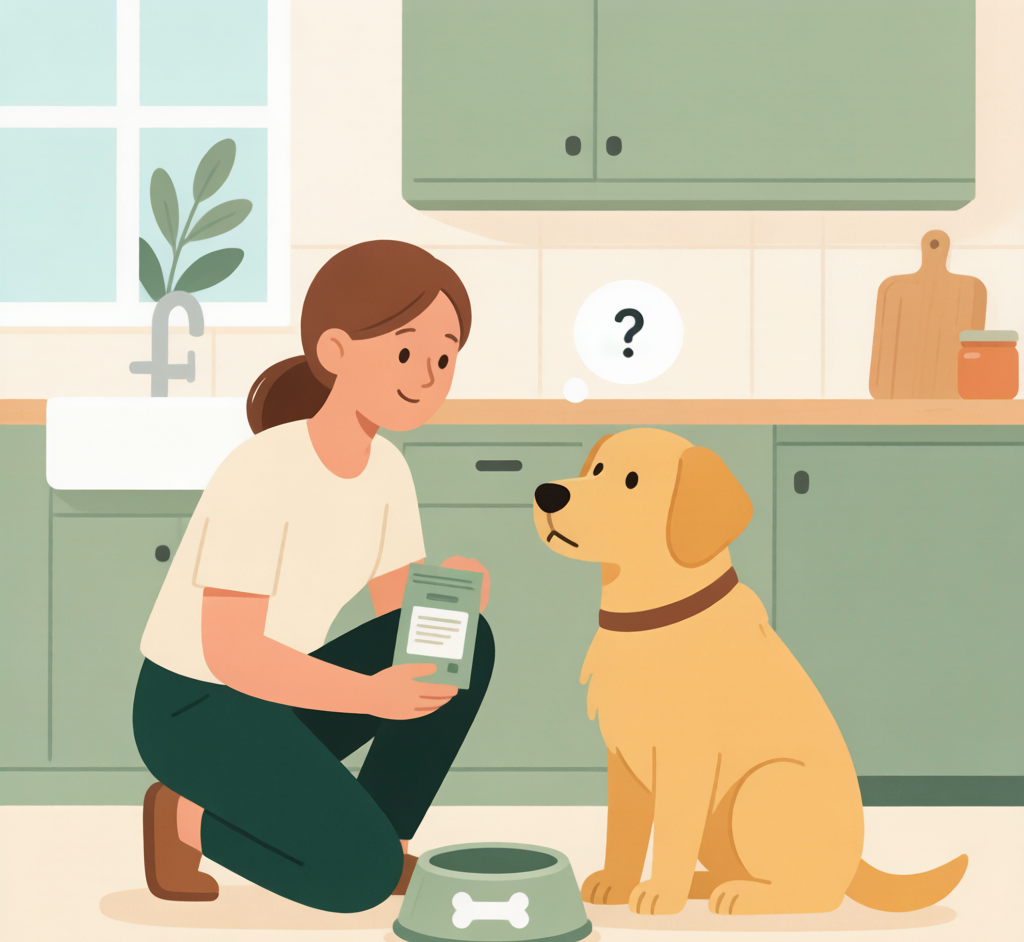
A healthy dog can skip one or two meals without real danger, so the first step is not panic, it is observation. Watch your dog for 24 to 48 hours while checking a few key signs. Is she still drinking water? Is she alert and energetic, or lethargic? Has she thrown up or had diarrhea? Is she hiding, shaking, or showing any signs of pain? If your dog is bright, drinking, and only skipping food, a day or two of appetite loss is usually a passing thing you can manage at home with gentle options like warmed food or a little plain pumpkin. But if your dog refuses water, is lethargic, has repeated vomiting or diarrhea, seems painful, or goes more than about 48 hours without eating, call a vet. The single most useful habit is keeping your dog’s “normal” in mind, because change from normal is the real signal, not the feeding itself.
—
What "Not Eating" Actually Tells You (and What It Doesn't)
The first thing to understand is that appetite is a sensitive gauge. It is one of the first things to drop when anything is off, and it can drop for reasons that have nothing to do with being sick. That makes it a useful early warning, but a poor specific diagnosis. A dog can skip food because she is stressed, because the food changed, because it is unseasonably hot, or because she is simply not hungry that day, and none of those need a vet.
So before you read the causes below, shift your question. Do not ask “why is my dog not eating?” and expect one answer. Ask “what else is different?” That second question is what actually points you toward the cause. Food refusal that comes with vomiting points one way. Food refusal in a normally greedy dog who now also seems painful points another way. The behavior around the food, and the other symptoms beside it, matter far more than the act of not eating itself.
—
The Most Common Reasons a Dog Won't Eat
These are the usual suspects, roughly in order of how common and how serious they are.
Behavioral or environmental causes. This is the largest and most reassuring category. A recent change in routine, a new home, a new pet, a noisy environment, travel, or a change in food can all put a dog off their meal for a day or two. Dogs are creatures of habit, and upset habits can mean upset appetites. Some dogs are also simply picky, and they will hold out for something better if they sense they can win that game.
Dental pain. A dog with a sore tooth, gum disease, or a broken tooth may approach the bowl, sniff, and then back away, or drop food and hesitate before chewing. Dental disease is very common in adult and senior dogs, and pain is a quiet but real appetite killer. If your dog still begs for food but then struggles to eat it, dental problems should be high on your list.
Nausea or an upset stomach. This is probably the most common medical reason. A dog with a mild tummy upset from eating something disagreeable, a sudden food change, or too many treats often goes off food for a day while their system resets. It often comes with some gurgling, a little drooling, or an occasional soft stool, and it usually resolves on its own.
Illness or infection. More serious problems, from an infection to kidney disease, can suppress appetite. These are the cases where other symptoms show up too, like lethargy, fever, vomiting, diarrhea, or obvious pain. If your dog is not eating and seems genuinely unwell, that combination is what moves things into “call the vet” territory.
Medication side effects. Some medications, antibiotics being a common one, can make a dog nauseous or dull the appetite. If your dog started a new medicine and went off food at the same time, that timing is a strong clue worth mentioning to your vet.
Heat and exercise changes. On very hot days, or after a big change in activity, some dogs simply eat less. Heat in particular suppresses appetite in many dogs, and it is usually harmless as long as water intake stays normal.
—
The Questions That Tell You How Worried to Be
Work through these in order. They are the same questions a vet will start with, and they sort most cases into “watch at home” or “call the vet.”
Is she drinking water? This is the single most important question. A dog who keeps drinking is usually managing fine in the short term, because dehydration is the bigger risk than hunger. A dog who stops drinking too is a much more urgent situation.
Is she still bright and energetic? A dog who goes off food but still wants to play, greet you, and go for a walk is far less worrying than one who is quiet, hiding, and low. Energy level is often a better gauge than appetite itself.
Is she vomiting or having diarrhea? If your dog is not eating and also throwing up or having loose stools, that points to a stomach or intestinal issue and raises the stakes, especially if either is repeated or severe. Our guides on dog vomiting and dog diarrhea cover when these can be managed at home and when they need a vet.
Is she showing signs of pain? Whining, shaking, panting for no reason, a hunched or tucked belly, sensitivity when touched, or reluctance to move are all pain signals. Pain with appetite loss is a reason to call your vet.
Could anything have changed recently? New food, a new schedule, travel, a new pet or family member, a move, or hot weather. If you can point to a change, the odds of a behavioral or environmental cause go up.
—
When to Call the Vet (and When You Can Wait)
Here is the honest line. A healthy adult dog can go one to two days without food and be fine, as long as she is drinking and not showing other symptoms. Puppies, senior dogs, and small breeds have less reserve, and they should be watched more closely and taken to a vet sooner.
Call your vet right away if your dog:
- Refuses to drink water too.
- Is lethargic, weak, or unusually quiet.
- Has repeated or severe vomiting or diarrhea, especially if there is blood.
- Shows signs of pain, like a tucked belly, panting, whining, or flinching when touched.
- Has been eating normally then suddenly stopped, because sudden change is more concerning than a gradual one.
- Is a puppy, very old, or a small breed, and has gone more than about 24 hours without food.
- Has gone more than about 48 hours without eating anything even if she otherwise seems fine.
- Has another medical condition like diabetes, kidney disease, or pancreatitis, where not eating is more serious.
If none of those apply, and your dog is drinking, alert, and only skipping food, you have some room to try a few gentle things at home for a day or two and watch how she does.
—
What You Can Safely Try at Home
These are gentle, low-risk options that help nudge a picky or mildly off dog back to eating. They are not fixes for a genuinely sick dog, and if they do not work quickly, do not keep pushing food. Your goal is to tempt, not to force.
Warm the food slightly. Warming wet food, or adding a little warm water to dry food, releases aroma and makes the meal more appealing. A few seconds in the microwave (stir it well to avoid hot spots) can make a real difference.
Add a small tempting topper. A spoonful of plain, unsalted pumpkin, a little warm chicken broth with no onion or garlic, or a small amount of the food she ate before a recent switch can encourage her. Keep it simple and small; you are not changing her diet, just making the current one inviting.
Offer a small hand-fed portion. Sometimes the social element helps. Sitting with her, offering a few kibble pieces by hand, can break a stubborn spell in a picky but otherwise fine dog.
Reduce stress around mealtimes. Feed in a quiet spot, keep a consistent schedule, and avoid hovering or fussing over the bowl. Some dogs eat better with calm, normal energy around them.
Keep fresh water available at all times. Good hydration matters more than the food in the short term, so always make water easy and fresh.
If your dog eats after one or two of these gentle attempts and seems otherwise fine, great, carry on and watch that she keeps eating. If she still refuses after a day, or any new symptoms appear, stop guessing and call your vet.
—
Could It Be the Food Itself?
Sometimes the issue is the bowl, not the dog. A sudden switch to a new food, especially without a slow transition, can upset a dog’s stomach and knock out her appetite. If you changed brands recently, try mixing some of the old food back in and transitioning more gradually.
Equally, some dogs go off a food because it does not agree with them, and persistent gut discomfort can keep them off their meals. This is one reason digestive support gets so much attention in everyday care. A healthy gut tends to mean a steadier appetite and more comfortable digestion. Our 12 Billion CFU Multi-Strain Probiotic pairs probiotics, prebiotics, and digestive enzymes in a soft chew designed to support gut flora and comfortable digestion as part of a normal, healthy baseline. It is a support step for everyday wellness, not a treatment for a sick dog who refuses food, and it works best alongside a balanced diet and your vet’s guidance. You can read more about how gut health relates to daily wellness in our probiotics guide.
That said, if your dog has eaten the same food happily for months and suddenly stops, the food itself is rarely the cause. Sudden refusal of a familiar food points back to the dog, not the kibble.
—
Frequently Asked Questions
How long can a dog go without eating?
A healthy adult dog can generally go one to two days without food as long as she is drinking water and not showing other symptoms. Puppies, seniors, and small breeds have less reserve and need veterinary attention sooner, usually after about 24 hours without eating. If your dog refuses water, is lethargic, or has other symptoms, do not wait, call a vet.
My dog is not eating but is drinking water and acting normal. Should I worry?
Probably not yet. A dog who skips a meal or two but still drinks, stays bright, and shows normal energy is often just going through a passing phase, from a routine change to a picky streak. Offer gentle temptations like warmed food or a little plain pumpkin, keep water available, and watch for 24 to 48 hours. If she still will not eat, or any other symptoms appear, contact your vet.
What can I give my dog to help them eat?
You can gently warm the food, add a small tempting topper like plain unsalted pumpkin or warm broth without onion or garlic, or offer a few hand-fed pieces in a quiet spot. Keep changes small and simple, and never force food. If these gentle attempts do not work within about a day, or if your dog has other symptoms, stop and call your vet instead of pushing harder.
Why is my dog not eating but acting fine?
Many reasons are harmless. A change in routine or environment, a picky streak, hot weather, or mild nausea can all put a dog off food for a day while she still acts completely normal. If she keeps drinking and stays energetic, you can usually watch and wait for 24 to 48 hours. The concern rises if she also stops drinking, gets lethargic, or shows signs of pain, which is when a vet visit is the right call.
My dog is not eating and throwing up. What should I do?
A dog who is not eating and also vomiting needs closer attention. For a single episode with a dog who otherwise seems fine and keeps drinking, you can watch closely, but repeated or severe vomiting, vomiting with diarrhea, blood, lethargy, or signs of pain are reasons to call a vet promptly. See our [dog vomiting guide](/remedy-dog-throwing-up/) for more detail on when this is manageable at home and when it is an emergency. —
Bottom Line
A dog who stops eating sets off alarm bells, and that alarm is reasonable. But the fear comes from seeing “not eating” as the problem, when it is really just a signal. The signal means pay attention, and attention means looking at the whole picture, water intake, energy, other symptoms, recent changes, and how your dog’s behavior differs from her normal. Most food refusal is a passing phase you can manage at home with gentle options and a little patience. The red flags are clear, refusing water, lethargy, repeated vomiting or diarrhea, signs of pain, and time, and when those appear, the right move is a phone call to your vet, not more attempts to coax food.
Keep that distinction straight, and you turn a scary moment into a manageable one. You know your dog’s normal better than anyone, and that knowledge is the real tool that tells you when to wait and when to act.
—
References
- American Veterinary Medical Association (AVMA) — Pet wellness and recognizing illness in dogs. avma.org
- Cummings School of Veterinary Medicine, Tufts University — Canine nutrition and digestive health resources. vetmed.tufts.edu
- American Kennel Club (AKC) — Canine nutrition and appetite guidance for pet owners. akc.org
—
Disclaimer: This article is for informational purposes only and is not a substitute for professional veterinary advice, diagnosis, or treatment. These statements have not been evaluated by the FDA. This product is not intended to diagnose, treat, cure, or prevent any disease. Always consult a licensed veterinarian for any health concern regarding your pet.