
# Cat Diarrhea: Why It Happens, What’s Normal, and When It’s an Emergency
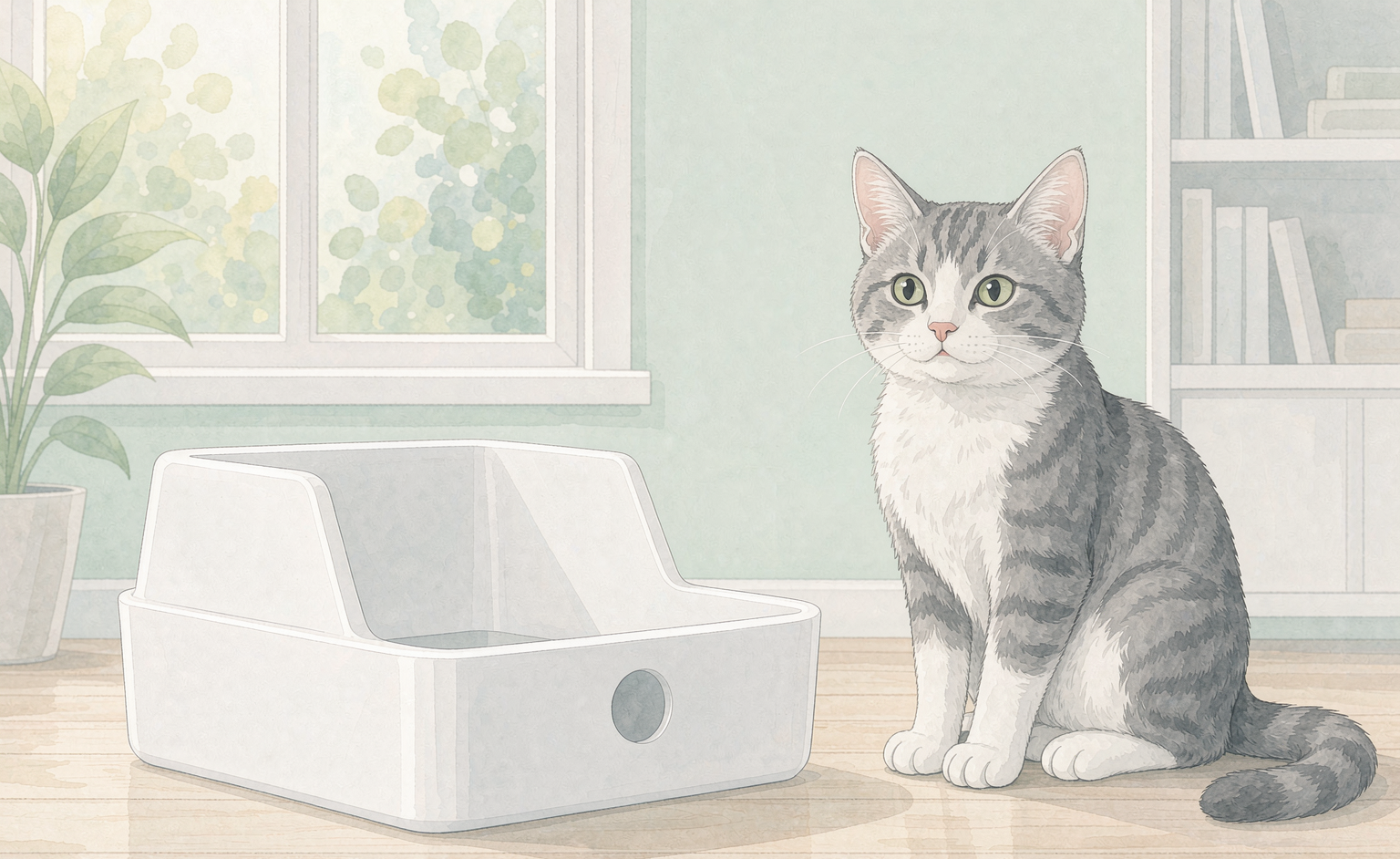
Dog owners get a warning before cleanup. Cat owners get archaeology. By the time you find the problem, it happened hours ago, somewhere in the house, and the evidence has been carefully buried or strategically placed outside the litter box. That delay is more than an inconvenience. It means cat diarrhea is often further along when discovered than the owner realizes, and it means the litter box, if you pay attention to it daily, is the single best early-warning system a cat owner has.
Diarrhea is also one of those symptoms that spans the entire range from “nothing” to “emergency.” A cat that ate something slightly off may have one soft stool and never mention it again. A kitten with watery diarrhea can be dangerously dehydrated within a day. And because cats are famously private about feeling unwell, diarrhea is sometimes the only visible sign of a problem that has been building for weeks.
This guide covers what counts as diarrhea in cats versus normal variation, the causes that matter most in this species specifically, how cat diarrhea should be handled differently from dog diarrhea, what you can safely do at home, and the signs that mean skip the wait and call the vet. If your cat is also vomiting or refusing food, read this alongside our guides on cat vomiting and cats not eating, because combinations of those three symptoms change the urgency.
—
The Short Answer
Occasional soft stool in an otherwise normal cat, still eating, drinking, and behaving as usual, is usually a passing dietary event. Cat diarrhea becomes a concern when it lasts more than a day, is watery or contains blood, or comes with vomiting, appetite loss, hiding, lethargy, or a kitten that is fading. In cats specifically, never treat diarrhea with a fast the way you might with a dog: cats that stop eating can develop dangerous liver problems within about a day, so keeping food going in matters as much as settling the gut. The common causes include sudden food changes, food intolerance, parasites including Giardia, inflammatory bowel disease, and in older cats hyperthyroidism; in unvaccinated kittens, watery diarrhea with vomiting can be panleukopenia, which is an emergency. Single soft stool: watch and feed normally. Repeating or worsening diarrhea: call your vet, and bring a fresh stool sample if you can.
—
What Counts as Diarrhea in a Cat
Cat stool has a normal range, and knowing it saves a lot of unnecessary alarm. Normal cat stool is formed, moist but firm, brown, and holds its shape in the litter. Anything from soft-formed stool that still holds some shape to liquid counts on the diarrhea spectrum, and the position on that spectrum matters.
Frequency tells you as much as consistency. A cat that passes one soft stool but otherwise acts completely normal is a different situation from a cat making repeated trips, straining in the box, or having accidents outside it. Liquid diarrhea, with or without visible mucus, means the colon is not absorbing water at all, and repeated episodes dehydrate a cat quickly, especially a small one, because cats start with less body water reserve than dogs their size.
One more observation worth making before you clean up: color and contents. Black, tarry stool suggests digested blood from the upper gut and needs a vet. Fresh red blood streaks, common with colitis, still warrant a call if they persist. Pale, greasy, foul-smelling stool that floats can point to a fat digestion problem. And worm segments that look like rice grains are a diagnosis you can make from the doorway, a reminder that parasites remain one of the most common causes of feline digestive upset and one of the most treatable.
The Causes That Matter in Cats
Food changes and intolerance. The classic. A new food introduced too fast, a raided trash bin, a sudden flavor switch, or a food the cat has quietly developed an intolerance to. Cats develop intolerances to proteins they have eaten for years, which is why “he has been on this food forever” does not rule it out. The pattern with food-driven diarrhea is usually soft stool within a day or two of the trigger, in a cat that is otherwise normal.
Parasites, including the stubborn ones. Roundworms and hookworms are routine, and a surprise in kittens. Two others deserve their own mention because they cause chronic, recurring diarrhea that owners chase for months: Giardia, a microscopic parasite that causes foul-smelling, sometimes pale diarrhea, and Tritrichomonas foetus, a lesser-known organism that produces chronic smelly diarrhea in young cats and crowded multi-cat environments like catteries and shelters. Both require specific testing, they do not show up on every standard stool exam, and both are why “chronic diarrhea in a young cat” deserves a vet visit rather than endless diet shuffling.
Inflammatory bowel disease. The hidden driver of long-term intermittent diarrhea in cats. IBD is an immune-mediated inflammation of the gut wall, and in cats it often shows up as years of on-and-off soft stool, occasional vomiting, and slow weight loss that gets blamed on age or “furball stomach.” It is diagnosable and manageable, but only once someone looks for it. If your cat has had recurring soft stool for months, that pattern itself is the symptom to report.
Hyperthyroidism. In cats past roughly ten years old, an overactive thyroid can present partly through the gut: diarrhea, bigger appetite, weight loss, restlessness, and often a rougher coat and increased thirst. The combination of eating more while losing weight and having loose stool is a classic signal in older cats.
Panleukopenia, the emergency. For unvaccinated kittens or unvaccinated adult cats, severe watery or bloody diarrhea with vomiting, fever, and collapse is the signature of panleukopenia, sometimes called feline distemper. It is highly contagious and has a high mortality rate in kittens, and it moves in days, not weeks. This is the scenario where diarrhea is not a digestion problem but a race to supportive care.
Antibiotics and medications. Some medications, especially antibiotics, unsettle the gut flora and cause soft stool during and after the course. If diarrhea started on a new medication, that is worth reporting to the prescribing vet rather than riding out.
Hairballs and grooming. Heavy shedding season means more swallowed hair, and hair moving through the gut can accompany looser stool or constipation at the other extreme. Our cat hairballs guide covers when grooming load becomes the real issue.
Why Cat Diarrhea Is Not Dog Diarrhea
This section exists because the standard internet advice for dog diarrhea is a short fast, a bland diet, and watchful waiting, and owners reasonably apply it to cats. It is the wrong template for this species.
The fasting part is the critical difference. A dog that skips a day of food while recovering from a gut upset is, in most cases, tolerable and sometimes beneficial. A cat that stops eating for more than about 24 hours starts mobilizing body fat through a liver that handles it poorly, and can tip into hepatic lipidosis, a serious and sometimes fatal complication. So the cat with diarrhea needs the opposite instruction: keep food going in, and if appetite drops alongside the diarrhea, that is the combination that means see a vet now rather than a fast at home.
The bland-diet part transfers with limits. Small, frequent portions of an easily digestible food are fine for a cat that is still eating. But the human go-to bland foods for dogs, plain boiled chicken and rice, are a problem for cats: rice is mostly empty calories for an obligate carnivore, and a cat cannot thrive on a chicken-and-rice diet for more than a few days. If a cat needs more than a couple of days of gut rest food, the better answer is a veterinary therapeutic diet designed for digestive recovery, not an improvised human menu.
And the watchful-waiting part gets a shorter clock in cats. Cats hide illness until they cannot, and small body size means dehydration arrives faster. A day of genuine diarrhea in a kitten, or two days in an adult cat that is also eating less, is already at the limit of safe waiting.
Home Care While You Watch
For the cat with one or two soft stools that is still fully itself, eating, drinking, greeting you, the plan is quiet management.
Keep food available and consistent. Do not switch foods mid-episode, since a change adds a second variable, and offer the regular diet in normal or slightly smaller portions. Keep water fresh and accessible, and consider adding a wide, shallow bowl away from the food station, since many cats prefer their water separate.
If your cat has had a vet confirm the pattern, probiotics formulated for pets are one of the better-evidenced home supports for diarrhea recovery, because they help repopulate the gut bacteria that diarrhea and any recent antibiotics have disrupted.
Scoop the litter box daily and note what you find. This is where cats differ most from dogs in a useful way: the litter box gives you a running log of frequency, consistency, and blood or mucus that a dog owner has to estimate from walks. Photograph anything unusual. If the episode continues, that record is exactly what your vet will want.
The things not to do: no human anti-diarrhea medications, several of the common ones are unsafe for cats at small doses, no milk despite the folklore, most adult cats digest lactose poorly and it makes diarrhea worse, and no fasting, for the liver reasons above.
When to Stop Watching and Call
Book the visit for diarrhea lasting beyond 24 to 48 hours even in a normal-acting cat, any diarrhea with vomiting at the same time, soft stool plus reduced appetite, weight loss you can see over weeks, or any diarrhea in a kitten under six months, a senior cat, or a cat with another condition like kidney disease or diabetes.
Go same-day or emergency for liquid diarrhea that repeats through the day, stool with meaningful fresh blood or black tarry stool, a kitten that is quiet, cold, or refusing food, any unvaccinated cat with severe watery diarrhea and vomiting, or a cat showing dehydration, the signs being tacky gums, sunken eyes, and skin that tents when you lift it gently at the shoulders.
When you go, bring a fresh stool sample if you can. Much of the diagnosis for feline diarrhea runs on stool testing, and arriving with a sample can save a day of waiting.
Where Digestive Support Fits a Cat's Routine
For cats with recurrent mild digestive ups and downs tied to food transitions, stress events, or gut flora disruption after antibiotics, daily digestive support is the lever many cat owners use between vet visits. The logic is straightforward: diarrhea disrupts the bacterial population of the gut, and the goal between episodes is keeping that population steady.
Our probiotic supplement is formulated for both dogs and cats, and this is one place the label matters: the same 200 Chews bottle works for a cat, with a feeding guide that starts at small cat weights. Each chew combines 12 billion CFU across 8 probiotic strains with 4 prebiotics, 5 digestive enzymes, and real-food powders including pumpkin and flaxseed.
The honest limits, stated plainly: a probiotic is not a treatment for panleukopenia, Giardia, hyperthyroidism, or inflammatory bowel disease, and it should never delay a vet visit for a cat with the red flags described above. It is everyday support for the times between, when the goal is digestive steadiness rather than treatment.
Frequently Asked Questions
What can I give my cat for diarrhea at home?
Keep food and water available, keep the diet consistent, and skip the fasting, since cats that stop eating can develop liver problems quickly. Probiotics made for pets are a reasonable support during recovery. Never give human anti-diarrhea medications or milk, and if diarrhea lasts beyond a day or two, or the cat also vomits or eats less, call your vet rather than continuing home care.
When should I take my cat to the vet for diarrhea?
Within 24 to 48 hours if the diarrhea is not improving, immediately if it comes with vomiting, appetite loss, blood in the stool, repeated liquid stool, or signs of dehydration such as tacky gums or tenting skin. Kittens, seniors, unvaccinated cats, and cats with existing conditions all get seen sooner, because they have less reserve to lose while waiting.
Why does my cat have diarrhea but is acting normal?
Often a mild cause like a quick food change, a dietary indiscretion, or temporary gut flora upset, and a single soft stool in a normal-acting cat is usually no crisis. But cats mask illness well, so watch the trend rather than the moment: if soft stool repeats over days or weeks, or the cat starts eating less or losing weight, there is an underlying reason, from parasites to food intolerance to inflammatory bowel disease, that needs diagnosing rather than monitoring.
Should I starve my cat for 24 hours like you would a dog?
No. That advice does not transfer to cats. A cat that stops eating for more than about a day can start developing hepatic lipidosis, a dangerous fat buildup in the liver, which is why our [guide to cats not eating](/why-is-my-cat-not-eating/) treats appetite loss as urgent in this species. Keep feeding a cat with diarrhea, in small consistent meals, and use appetite itself as your urgency signal.
Can kittens get diarrhea from drinking milk?
Yes, and it is one of the most common kitten mistakes. Most cats lose the ability to digest lactose after weaning, so cow’s milk often causes loose stool and gas. Kittens that need milk should only have a properly balanced kitten milk replacer, never cow’s milk or the milk of another species, and a kitten with watery diarrhea should see a vet promptly, since kittens dehydrate far faster than adult cats.
Disclaimer
This article is for general education only and is not veterinary advice. Diarrhea in cats can signal conditions ranging from parasites and food intolerance to hyperthyroidism, inflammatory bowel disease, and panleukopenia, which require professional diagnosis and treatment. If your cat has persistent or severe diarrhea, is vomiting, refusing food, or showing signs of dehydration, contact your veterinarian promptly. Product references describe nutritional supplements and are not intended to diagnose, treat, cure, or prevent any disease.
References
- Cornell University College of Veterinary Medicine. “Diarrhea in Cats.”
- International Cat Care. “Diarrhoea in Cats.”
- Merck Veterinary Manual. “Feline Panleukopenia.”
- American Association of Feline Practitioners. “Feline Infectious Diseases Guidelines.”
- Veterinary Clinics of North America: Small Animal Practice. “Chronic Diarrhea in Cats.”