
# Dog Anal Gland Infection: Why It Keeps Coming Back and What Actually Fixes It
Most owners first meet their dog’s anal glands in the worst possible way: a dog scooting across the living room rug, a smell that clears the room, or a swelling next to the anus that appeared overnight. A routine gland expression fixes the ordinary version of this problem. An infected gland is a different animal, and treating it like the routine version is why so many of these infections come back.
Here is the distinction that matters. Impaction means the glands are full and not emptying, which is uncomfortable and common. Infection means bacteria have moved in, the gland is inflamed and painful, and left alone it can progress to an abscess, which is a walled-off pocket of pus that often ruptures through the skin beside the anus. The treatments, the timelines, and the recurrence risks are not the same, and the window where a simple infection stays simple is shorter than most people expect.
This article separates the three stages, explains why certain dogs get them repeatedly, and lays out what the veterinary treatment actually involves, because the most common failure in this whole topic is under-treating an abscess and calling it an expression problem.
—
The Short Answer
A dog anal gland infection is bacterial inflammation inside one or both anal sacs, and it is more painful and more serious than impaction. Signs include scooting with obvious pain, licking at the rear, a swollen and warm area beside the anus, redness or blood at the gland opening, and straining to defecate. Treatment needs a veterinarian: the gland is emptied, sometimes flushed, and the dog gets antibiotics, often with pain medication. If an abscess has formed, it may need to be lanced and drained, and recurring infections sometimes justify surgical gland removal. Go to the vet promptly, because an untreated infection can rupture in days and scarring from repeated infections is what makes the problem chronic.
—
First, What the Glands Are For
Dogs have two small sacs sitting at roughly the four o’clock and eight o’clock positions around the anus, each hooked into a tiny duct that opens just inside the anal rim. They hold a fishy, pungent secretion that every dog’s ancestors used as a scent signature and territorial marker, and each bowel movement, when everything works, expresses a small amount of it.
The mechanism is beautifully simple when it works. The passing stool presses on the sacs, the sacs empty a little, the ducts stay flushed, and the dog goes about its day unaware it has them. This is why most dogs never have a gland problem in their lives, and why the whole topic is invisible until it is not.
Problems start with a chain of small failures. Stool that is too soft does not press hard enough to empty the sacs. Stool that is too hard, or a dog who strains and cannot go, fails the same way. Ducts can narrow from inflammation. Sac anatomy varies between individual dogs, and some are simply built with ducts that empty poorly. Whatever the initial cause, secretion sits in the sac, thickens, and becomes a culture medium. That is impaction. When bacteria colonize the stagnant material and the sac wall inflames, it has become an infection. When the infection walls itself off and fills with pus, it is an abscess. These are three stages of one process, and knowing which stage you are looking at determines everything about treatment.
Impaction, Infection, Abscess: Telling Them Apart
The three stages look similar from across the room and quite different up close.
Impaction. The dog scoots or licks, the area beside the anus feels full but not hot, and a vet can express thick, pasty, brown material with normal pressure. The dog may object to the handling but is not in acute pain. There is no fever, no draining tract, no swelling beyond the sac itself. This is the routine version, and for dogs with recurring impaction, our guide to anal gland problems covers the long-term management picture.
Infection. The key differences are pain, heat, and appearance. The sac is swollen and tender, the skin over it can look red or bruised, and the material inside is discolored, often with blood or pus at the duct opening. The dog scoots less casually and more desperately, licks constantly, may cry when touched near the tail, and sometimes runs a fever. Straining to defecate is common because the act hurts. At this stage the gland generally cannot be expressed normally, because the duct is swollen shut or the dog is too painful, and forcing it does more harm than good.
Abscess. The swelling has now organized into a hot, firm, exquisitely painful lump beside the anus, often several centimeters across. The dog may sit strangely, refuse to sit at all, or hold the tail down. Left alone, an abscess tends to rupture through the skin beside the anus, which owners often discover as a bloody or pus-draining hole that looks alarming and, counterintuitively, may make the dog feel better almost immediately because the pressure is gone. A ruptured abscess is not a solved abscess. It is a draining wound connected to an infected sac, and it needs proper management or it recurs.
The practical takeaway: if the dog is in pain, if there is swelling you can feel or see from a step away, if there is blood or pus, or if there is fever or lethargy, this is not an expression errand. It is a veterinary visit, usually the same day or the next morning.
Why Certain Dogs Get This Over and Over
Recurrent anal gland infection is one of the most common reasons owners end up in a veterinary dermatology or surgery conversation, and the causes are usually findable.
Underlying skin disease. The glands are modified skin structures, and whatever inflames the skin inflames them. Dogs with atopic allergies and food allergies have a much higher rate of anal sac disease, because allergic inflammation narrows the ducts and changes the secretion. If a dog’s gland infections cluster with ear infections, paw licking, and itchy skin, the allergies are probably the driver, and treating only the glands is bailing water without fixing the leak.
Stool consistency. Chronic soft stool from diet intolerance or colitis leaves the sacs unexpressed after every bowel movement. Chronic constipation and straining do the same from the other direction. Our dog scooting guide covers how stool quality shows up in rear-end behavior, and the fix is usually dietary rather than glandular.
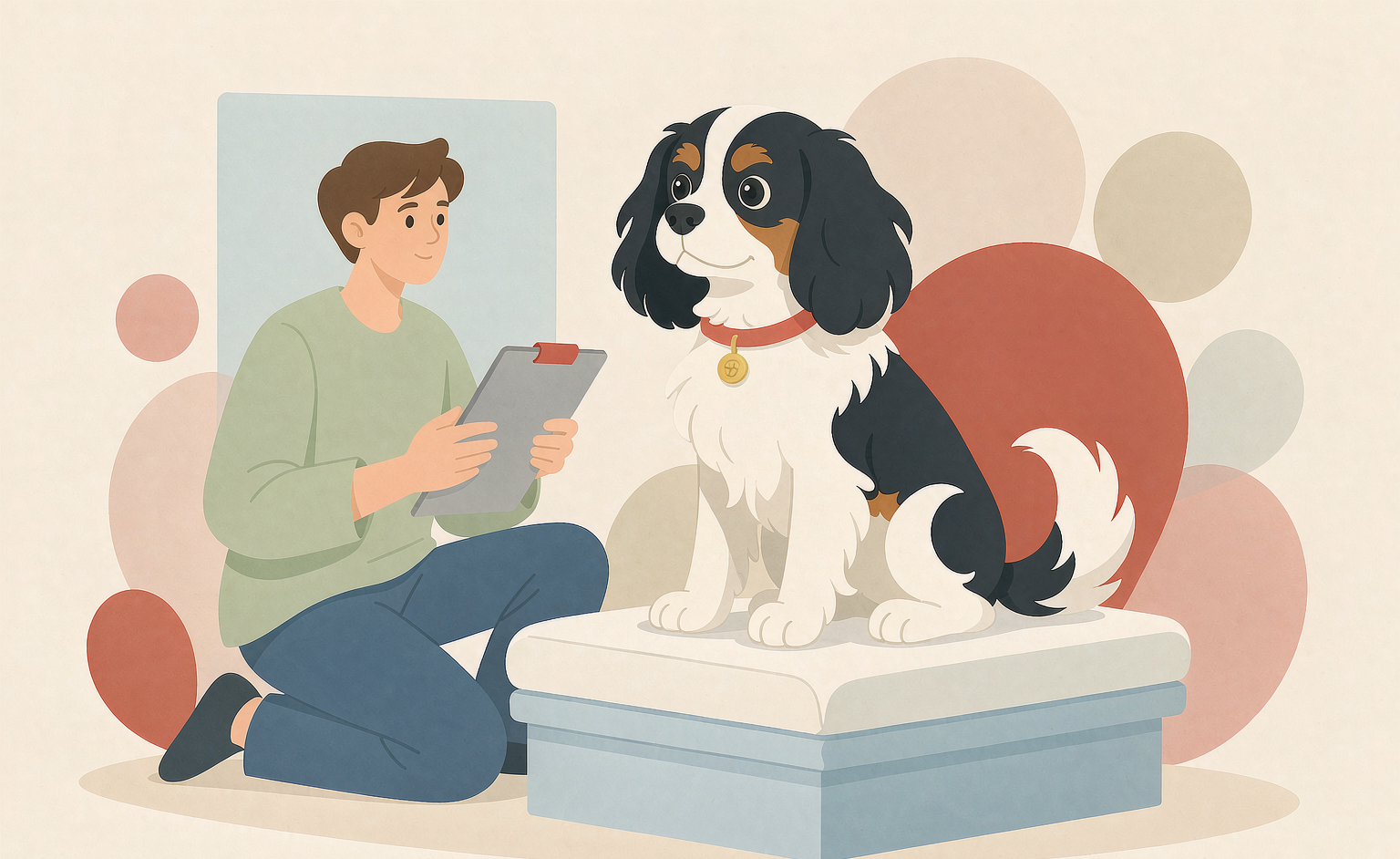
Obesity and anatomy. Overweight dogs have more fat around the sacs and less effective emptying pressure. Some dogs, especially small breeds, simply have narrow ducts or sacs positioned so they never fully drain. Cavalier King Charles Spaniels, Cockers, and other small breeds are overrepresented in anal sac disease overall.
Scarring from previous infections. This is the vicious cycle that makes early proper treatment matter. Each infection inflames and narrows the duct; each healed abscess leaves fibrosis. A dog who has had two or three abscesses often has ducts too damaged to drain normally, which guarantees more infections, which scars more. This is why the veterinary conversation about surgical removal usually starts after the second or third infection rather than the fifth.
Rarely, something else. A mass in the sac or the perianal tissue can present exactly like a recurrent infection that never fully resolves. Anal sac adenocarcinoma is uncommon, but a gland that refills abnormally fast, bleeds without infection, or does not respond to appropriate treatment deserves imaging, especially in older dogs.
What Veterinary Treatment Actually Involves
Knowing the sequence helps you judge whether the plan you are handed is proportionate to the stage.
For infection without abscess, the visit usually includes a rectal exam to confirm the diagnosis and rule out other causes, expression of the affected sac if the dog tolerates it, and often a flush of the sac with an antiseptic or antibiotic solution under local or light sedation. Oral antibiotics for one to three weeks are standard, with the specific drug ideally chosen by culture when the infection looks severe or has already failed one course. Pain medication matters more than owners expect, because a painful rear makes the dog hold stool, which worsens everything. The vet will also check for and treat any allergic or dietary driver, because antibiotics alone will not stop a recurrence whose cause is still active.
For abscess, the treatment is drainage. If it has already ruptured outward, the vet cleans and manages the draining tract, often flushing it repeatedly over days and sending the dog home with antibiotics and pain control. If it has not ruptured, the vet lances and drains it, usually under sedation, and may place a temporary tap or suture depending on the approach. Warm compresses at home, several times a day, help drainage continue and bring real relief. Healing takes one to three weeks, and the tract should close from the inside out; a wound that seals at the surface while still infected inside will flare again, which is why the recheck appointment is not optional.
For recurrent disease, when a dog has multiple infections or abscesses in a year despite managing diet and allergies, the conversation turns to surgical removal of the sacs. Anal sacculectomy is a well-established procedure, and in experienced hands the complication rate is low, but the surgery sits near nerves that control fecal continence, so the small risk of transient or permanent incontinence is real and worth discussing honestly. For a dog whose quality of life is being destroyed by repeated painful infections, most owners who reach this decision do not regret it.
The Part Owners Get Wrong at Home
There is a short list of safe home measures and a longer list of traps.
Safe and useful. Warm compresses on the area, five to ten minutes a few times daily, ease pain and encourage drainage in early or post-drainage cases. Keeping the dog from licking the site, which usually means an e-collar, protects the wound. Preventing chewing and scooting protects it further. And finishing the entire antibiotic course, not stopping when the dog looks better, is what prevents the relapse that breeds resistance.
Not useful and sometimes harmful. Expressing an infected or abscessed gland yourself. Even owners who have learned routine expression on a healthy dog should not squeeze a hot, painful, swollen sac: it is extraordinarily painful for the dog, it can rupture the sac wall internally and spread infection into surrounding tissue, and it delays the veterinary care that determines the outcome. Manual expression is a maintenance skill for healthy glands, not a treatment for disease.
The dietary levers that do work. For prevention rather than treatment, the highest-value home change is usually firming the stool to a consistent, well-formed quality, because firm stool empties the sacs by itself twice a day. That means a diet that suits the dog’s gut, appropriate fiber, and adequate water. Fiber supplements and pumpkin have their place here, and our dog constipation guide covers the stool-quality spectrum in detail.
Where Gut Support Fits
Because the strongest modifiable driver behind recurring gland problems is usually stool quality, and stool quality is downstream of gut health, the preventive conversation often lands on digestion.
A gut that ferments fiber well produces consistent, formed stool. A gut with dysbiosis produces the swinging soft-to-loose stool that leaves sacs unexpressed for days. This is the narrow and legitimate place for daily digestive support: not as a treatment for infection, which needs a veterinarian and antibiotics, but as part of keeping the gut producing the kind of stool that does the gland’s job for it.
Our 12 Billion CFU Multi-Strain Probiotic Soft Chews combine eight probiotic strains with four prebiotics and five digestive enzymes plus a pumpkin and flaxseed fiber blend, which lines up directly with the stool-consistency lever described above. It is daily gut support, not a treatment for anal gland infection or any active disease, and an infected gland needs diagnosis, drainage decisions, and antibiotics from a veterinarian. Used as the maintenance layer after the infection is treated, it works on the actual recurrence mechanism.
Frequently Asked Questions
How do I know if my dog’s anal glands are infected and not just full?
Pain, heat, and visible change are the tells. An impacted gland makes a dog scoot; an infected gland makes a dog desperate, with a swollen, warm, tender area beside the anus, sometimes redness or blood at the opening, straining to defecate, and occasionally fever or lethargy. If your dog cries when the area is touched, or the swelling is visible from a step away, treat it as an infection and see the vet promptly.
Can a dog’s anal gland infection go away on its own?
Early, mild infections occasionally resolve, but counting on it is how dogs end up with abscesses. The infection is inside a closed sac, antibiotics from the bloodstream reach it poorly once pus forms, and the realistic course of an untreated infection is progression to abscess and rupture within days. Veterinary treatment is short, effective, and prevents the scarring that turns this into a chronic problem.
What happens if an anal gland abscess ruptures?
The dog usually feels immediate relief because the pressure is gone, and owners often see a bloody or pus-draining hole beside the anus. It is not resolved. The wound communicates with the infected sac and needs veterinary management: cleaning, flushing, antibiotics, pain control, and rechecks until it heals from the inside out. A ruptured abscess that is left alone routinely comes back.
Why does my dog keep getting anal gland infections?
Look upstream. Allergies inflame the ducts, soft or inconsistent stool leaves the sacs unexpressed, excess weight reduces emptying pressure, and scarring from previous infections narrows the ducts further. A dog with repeated infections needs the underlying driver identified and treated, not just another round of antibiotics, and after multiple infections a surgical conversation is reasonable.
Should I express my dog’s anal glands at home?
Only on healthy glands and ideally after your vet has shown you how and confirmed your dog’s glands are appropriate for home expression. Never express a gland that is swollen, hot, painful, or draining, because forcing infected material through a closed system can rupture the sac internally and spread infection. Infected glands are veterinary territory.
What does anal gland fluid smell like?
Strongly fishy and foul, and it is memorable enough that many owners recognize it instantly. The secretion is a scent-marking material, so it is designed to be potent. A sudden fishy smell in the house, especially with scooting or licking, usually means a sac has leaked or emptied abnormally and is worth a look and possibly a vet call.
Is surgery to remove anal glands safe?
Anal sacculectomy is a well-established surgery and for a dog with recurrent severe infections it is often life-changing. The main risk is injury to the nerves that control the anal sphincter, which can cause fecal incontinence, usually transient and occasionally permanent. The risk depends heavily on surgeon experience, so it is worth asking your vet directly about their complication rate and whether referral to a surgeon is the better route.
Bottom Line
Anal gland infection sits one stage past the scooting-and-expression problem most owners know, and the difference is bacteria, pain, and a countdown. Impaction is maintenance. Infection is a veterinary case with antibiotics and a real risk of abscess if it waits. Abscess is drainage, sometimes surgery, and a wound that needs managing to heal from the inside out. What separates a one-time event from a chronic, scarring, surgery-bound pattern is mostly what happens in the first days: proper drainage, a full antibiotic course, pain control, and someone looking upstream for the driver, whether that is allergies, stool quality, weight, or anatomy. The glands do their own work on every well-formed bowel movement, and the more of your dog’s care that goes toward producing those, the fewer of these appointments you will ever need.
Disclaimer
This article is for general education only and is not veterinary advice. If your dog has a painful, swollen, hot, or draining area beside the anus, is straining to defecate, is vomiting, lethargic, or has stopped eating, contact a veterinarian promptly, as anal gland abscesses and other perianal conditions need professional diagnosis and treatment. Do not attempt to express an infected or abscessed gland yourself. Dietary supplements are not intended to diagnose, treat, cure, or prevent any disease, and you should consult your veterinarian before starting any supplement.
References
- Merck Veterinary Manual. “Disorders of the Anal Sac in Dogs.”
- VCA Animal Hospitals. “Anal Sac Disease in Dogs.”
- Veterinary Partner (VIN). “Anal Glands and Anal Sacculectomy in Dogs.”
- Cornell University College of Veterinary Medicine. “Anal Sac Disorders.”
- American College of Veterinary Surgeons. “Anal Sacculectomy.”