
# Hot Spots on Dogs: Why They Appear, How to Treat Them, and How to Stop Them Returning
Author: PurePalsLab Research Team
Reviewed by: Veterinary advisory panel
Reading time: 9 minutes
—
If you have ever run your hand over your dog’s back and felt a warm, moist, raw patch that seems to have appeared out of nowhere, you have met a hot spot. They look alarming, and honestly, they feel alarming to the dog, because they are intensely itchy and painful. The strange part is how fast they show up. A small irritation in the morning can be a red, oozing, coin-sized sore by the evening. Owners often feel blindsided by how quickly it happens.
Hot spots are one of the most common skin emergencies in dogs, and they are very treatable when you act fast. This guide covers what hot spots actually are, why they form, how to treat one at home when it is safe to do so, when you need a vet, and the steps that stop them from coming back.
—
The Short Answer
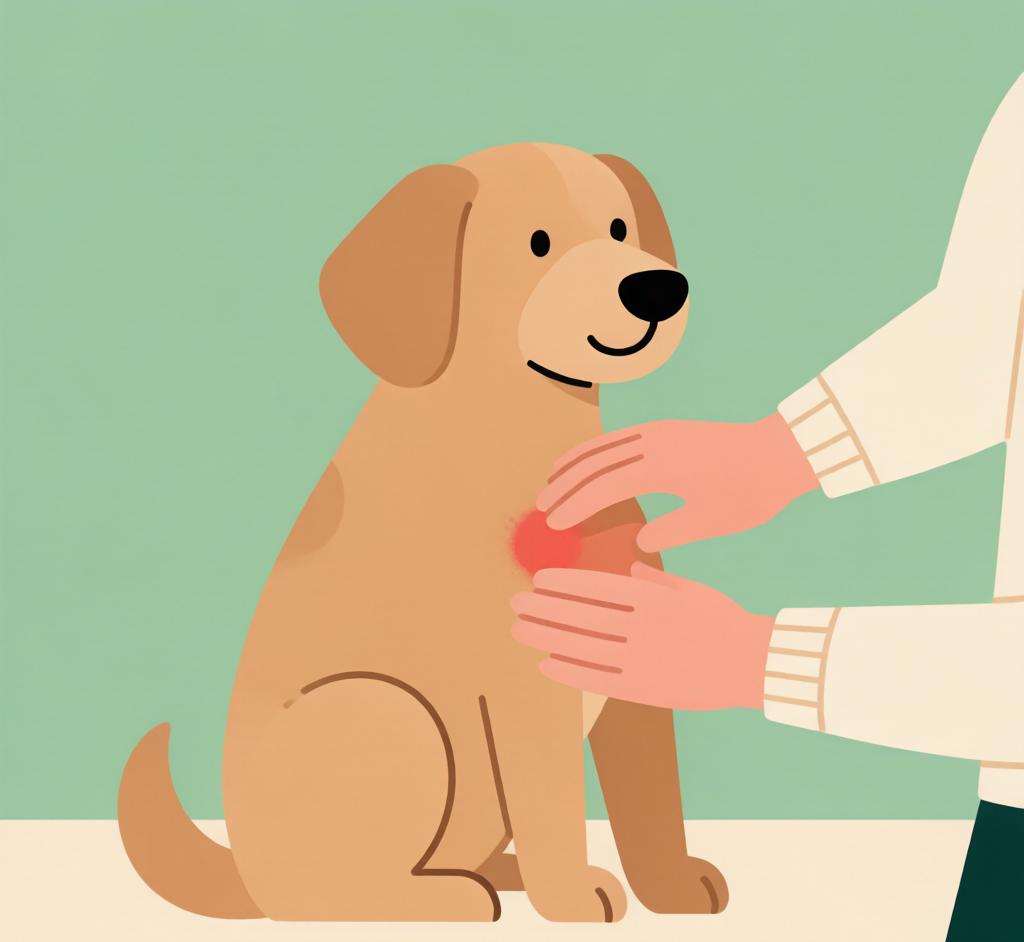
A hot spot is a moist, red, inflamed patch of skin, technically called acute moist dermatitis, that appears quickly and spreads fast. It usually starts as an itch, scratch, or irritation, like an allergy, a flea bite, a matted coat, or moisture trapped against the skin. The dog’s scratching makes it worse, which causes a fast-spreading, painful, infected area. You can treat a small, early hot spot at home by gently clipping the hair around it, cleaning the area with a mild antiseptic or warm water, keeping it dry, and stopping your dog from licking or scratching it with an E-collar. But hot spots that are large, painful, spreading, or that keep coming back need a vet, who can treat the infection and address the root cause. The most important step is finding out what triggered it, because that is what stops it from returning. Our skin problems guide covers the wider range of canine skin conditions.
—
What a Hot Spot Actually Is
The technical name is acute moist dermatitis, and the word “acute” is the clue. This is not a slow-developing condition. A hot spot is a localized area of skin that becomes infected and inflamed very quickly, usually because the skin has been broken and bacteria have moved in.
Here is the chain of events. Something starts an itch, an allergy, a flea bite, a tick, a matted patch of fur, moisture from swimming or rain, or even a minor cut. The dog responds by licking, scratching, or chewing the spot. That friction damages the skin, breaking the surface. Bacteria that normally live harmlessly on the skin move into the broken area and multiply. The body’s immune response brings heat, redness, swelling, and more itching. The dog scratches more, which spreads the infection further. This creates the classic hot spot, a warm, moist, red, often oozing patch that can double in size in a single day.
That “hot” feeling is where the name comes from, the inflammation makes the area warmer than the surrounding skin. Hot spots are painful, so a dog with one is often clearly uncomfortable and focused on that spot.
—
Why Hot Spots Form: The Underlying Triggers
A hot spot is rarely the original problem. It is the visible result of an itch that got out of control. So the real question is, what started the itch? Common triggers include:
Allergies. This is the most common cause. Flea allergy, food allergies, and environmental allergies (pollen, dust mites, grasses) all make the skin itchy, and that itching can lead to a hot spot, especially in warm, humid weather. Dogs with allergy-driven itching are the most likely to get recurrent hot spots.
Fleas and other parasites. A single flea bite can cause intense itching, especially in a dog with flea allergy dermatitis. Ticks and mites can do the same.
Moisture and matted fur. A dog with a thick or double coat that gets wet and stays wet, after swimming, rain, or a bath, can develop trapped moisture against the skin. Matted fur rubs and traps heat and moisture, which sets up the perfect conditions for a hot spot. This is why hot spots are more common in warm months and in heavy-coated breeds.
Skin irritation or injury. A minor scrape, a rubbing collar, or a small wound can start the itch and scratching cycle.
Ear problems or anal gland issues. A dog with an uncomfortable ear or anal gland may scratch or lick nearby areas, sometimes starting a hot spot on the neck, cheek, or hind end.
Stress or boredom. Some dogs lick or chew themselves when stressed or bored, which can trigger a hot spot, especially if they already have itchy skin.
The point is that a hot spot tells you your dog has an underlying itch or irritation. Treating the hot spot is important, but preventing it means finding the trigger.
—
How to Treat a Hot Spot at Home
If you catch a hot spot early, when it is small, localized, and your dog is otherwise well, you can often manage it at home. Here is the safe approach.
Clip the hair around the spot. Gently clip the fur around the hot spot so the skin can breathe and you can see the full extent of the area. Moisture trapped under the fur is part of the problem, so removing it helps the spot dry out. If clipping is painful for your dog, stop and let a vet do it.
Clean the area gently. Clean the hot spot with a mild antiseptic solution or just warm water. Pat it dry gently with a clean cloth. Do not scrub, which makes it worse.
Keep it dry. A hot spot needs to dry out to heal. Keeping the area clean and dry is one of the most important steps.
Stop licking and scratching. This is essential, because continued licking spreads the infection and stops healing. An Elizabethan collar (the cone) is the most reliable way to stop your dog reaching the spot. Keep it on until the area has healed.
Watch closely. If the hot spot is getting bigger, more painful, oozing heavily, or not improving within a day or two, stop home treatment and see a vet.
Home care works for small, early hot spots. It is not a substitute for vet care when the spot is large, painful, spreading, or keeps returning.
—
When a Hot Spot Needs a Vet
Some hot spots need professional treatment, and it is important to know the line. See a vet if:
- The hot spot is large or spreading quickly.
- It is very painful or your dog is clearly distressed.
- It is oozing heavily or has a strong smell, which suggests a deeper infection.
- It is not improving within a day or two of home care.
- Your dog has multiple hot spots.
- The hot spots keep coming back, which points to an underlying cause like allergies that needs addressing.
A vet can clip and clean the area properly, prescribe treatment for the infection, and help you identify the root cause, whether that is fleas, an allergy, or something else. Treating the underlying trigger is what breaks the cycle of recurrent hot spots.
—
How to Stop Hot Spots from Coming Back
The most frustrating thing about hot spots is when they return. Breaking the cycle means addressing what starts the itch. Here is what helps.
Stay on top of parasite control. Consistent flea and tick prevention removes one of the biggest itch triggers. If you are not sure your flea prevention is working, talk to your vet.
Manage allergies. If allergies drive your dog’s itching, managing them is key. This can mean allergy treatment from your vet, avoiding known triggers, and supporting the skin barrier with good nutrition.
Keep the coat dry and groomed. After swimming, rain, or baths, dry your dog’s coat thoroughly, especially in heavy-coated breeds. Regular grooming prevents matting that traps moisture and rubs the skin.
Support skin health from the inside. A healthy skin barrier is more resilient. Essential fatty acids, especially omega-3s like the EPA and DHA in our Omega 3-6-9 Complete Fatty Acid Complex, support skin and coat health as part of a normal, healthy baseline, and they pair well with the broader skin care covered in our skin allergies guide. This is everyday wellness support, not a treatment for an active hot spot, so it works best alongside a healthy routine and your vet’s guidance.
Reduce stress and boredom. If your dog licks from stress or boredom, more exercise, mental enrichment, and a calmer routine can help.
Check your dog regularly. Running your hands over your dog during grooming lets you catch the start of a hot spot before it becomes a big problem.
—
Frequently Asked Questions
What does a hot spot look like on a dog?
A hot spot is a red, moist, inflamed, often oozing patch of skin that appears suddenly and can spread quickly. It is warm to the touch, which is where the name comes from, and it is painful and intensely itchy. It often forms after your dog licks, scratches, or chews an itchy or irritated spot, breaking the skin and allowing bacteria in.
Are hot spots on dogs an emergency?
Most hot spots are not emergencies, but they do need prompt attention because they spread fast. A small, early hot spot can often be managed at home with gentle cleaning and keeping the area dry. See a vet right away if the spot is large, painful, spreading, oozing heavily, has a strong smell, or is not improving within a day or two.
How do I treat a hot spot on my dog at home?
For a small, early hot spot, gently clip the hair around it, clean the area with a mild antiseptic or warm water, pat it dry, and keep it dry. Stop your dog from licking or scratching it with an Elizabethan collar. Watch it closely, and see a vet if it gets bigger, more painful, or does not improve within a day or two.
Why does my dog keep getting hot spots?
Recurrent hot spots almost always point to an underlying trigger that keeps causing the itch. The most common are allergies (fleas, food, or environmental), parasites, and moisture trapped in a heavy coat. To stop them returning, address the trigger, manage parasites, keep the coat dry and groomed, and support skin health. If hot spots keep coming back, a vet can help identify the root cause.
Can I put anything on a dog’s hot spot?
You can gently clean a hot spot with a mild antiseptic or warm water and keep it dry. Do not apply human creams or ointments, which can make things worse or be unsafe. The most important step is stopping your dog from licking or scratching it, using an E-collar. For larger or worsening hot spots, see a vet rather than relying on home treatments. —
Bottom Line
A hot spot looks worse than it is in the sense that it is very treatable, but it is not something to ignore, because it spreads fast and it is genuinely painful for your dog. Understand that a hot spot is the visible result of an itch that got out of control, so the real work is twofold: treat the sore and find the trigger. For small, early hot spots, gentle cleaning, keeping the area dry, and an E-collar to stop licking can do the job. For larger, painful, or recurrent hot spots, a vet is the right call, because they can treat the infection and help you address the underlying cause, whether that is fleas, an allergy, or something else. Manage parasites, keep the coat dry and groomed, support skin health with good nutrition and omega-3s, and check your dog regularly. That combination is what keeps hot spots from turning into a recurring problem.
The sooner you catch it and the better you address the cause, the faster it heals and the less likely it is to come back. Your dog’s skin is telling you something, so listen and act.
—
References
- American Veterinary Medical Association (AVMA) — Canine dermatology and skin health resources. avma.org
- Cummings School of Veterinary Medicine, Tufts University — Canine skin conditions and acute moist dermatitis resources. vetmed.tufts.edu
- American Kennel Club (AKC) — Canine skin care and hot spot guidance for pet owners. akc.org
—
Disclaimer: This article is for informational purposes only and is not a substitute for professional veterinary advice, diagnosis, or treatment. These statements have not been evaluated by the FDA. This product is not intended to diagnose, treat, cure, or prevent any disease. Always consult a licensed veterinarian for any health concern regarding your pet.